

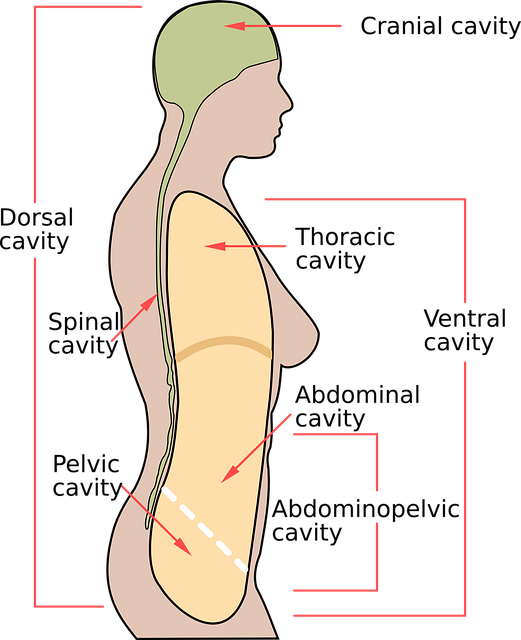




Spinal imbalance caused by motor vehicle accidents (MVAs) leads to pain, stiffness, and reduced mobility. Chiropractic care offers a holistic approach to restore natural spinal alignment through manual adjustments, targeted exercises, and patient education. After MVAs, chiropractic treatment effectively manages pain, reduces inflammation, and promotes natural recovery. Early intervention prevents chronic conditions by addressing misalignments naturally. Regular check-ups and lifestyle modifications guided by licensed chiropractors facilitate optimal MVA recovery and long-term spinal health.
Chiropractic care for spinal imbalance has emerged as a vital approach to addressing a growing concern among individuals worldwide. In today’s fast-paced world, poor posture resulting from prolonged sitting or accidental injuries like motor vehicle accidents often leads to misalignment of the spine—a condition that can significantly impact overall health and well-being. This article delves into the effectiveness of chiropractic treatment as a natural and holistic method to restore spinal alignment, alleviate related symptoms, and enhance one’s quality of life. By exploring the science behind this practice, we aim to provide valuable insights for those seeking effective solutions for their spinal health.
- Understanding Spinal Imbalance and Chiropractic Care
- The Role of Chiropractice in Natural Recovery After Motor Vehicle Accidents
- Techniques for Achieving Optimal Spinal Alignment and Prevention
Understanding Spinal Imbalance and Chiropractic Care

Spinal imbalance, a common condition affecting millions worldwide, refers to misalignments or disruptions in the spine’s natural curve, leading to symptoms like pain, stiffness, and reduced mobility. This misalignment can result from various factors, including poor posture, muscle imbalances, traumatic injuries, such as motor vehicle accidents, and degenerative conditions. Chiropractic care offers a holistic approach to addressing spinal imbalance through manual adjustments, targeted exercises, and patient education.
Chiropractors are experts in diagnosing and correcting these misalignments using hands-on techniques, most commonly known as spinal manipulation or adjustment. This safe and effective method helps restore the spine’s natural range of motion and promotes self-healing mechanisms within the body. For instance, a study published in the Journal of Manipulative and Physiological Therapeutics found that chiropractic care significantly improved pain levels and functional abilities in patients with chronic low back pain, many of whom experienced these conditions following motor vehicle accidents. By focusing on spinal alignment, chiropractors aim to reduce nerve irritation, improve circulation, and support the body’s natural ability to heal and recover.
Chiropractic care for spinal imbalance is a personalized process that considers each patient’s unique needs. Following an initial assessment, which may include x-rays or other diagnostic tools, chiropractors develop tailored treatment plans. These may involve regular adjustments, specific exercises to strengthen supporting muscles, and recommendations for lifestyle modifications, such as improving posture while sitting or standing. In the case of post-motor vehicle accident injuries, chiropractic care can play a vital role in managing pain, reducing inflammation, and guiding patients through the recovery process naturally.
The Role of Chiropractice in Natural Recovery After Motor Vehicle Accidents
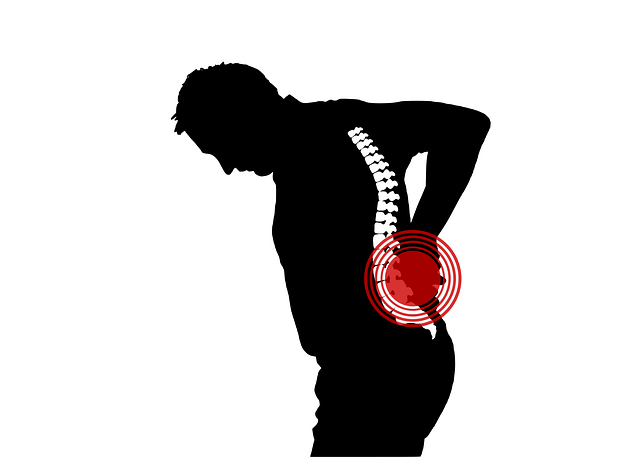
Chiropractic care plays a significant role in the natural recovery process for individuals who have suffered motor vehicle accidents (MVAs). Spinal imbalance is a common consequence of such incidents, leading to various physical discomforts and long-term health issues if left unaddressed. Chiropractors are experts in diagnosing and treating musculoskeletal disorders, particularly those affecting the spine. They employ hands-on adjustments and other therapeutic techniques to restore spinal alignment naturally, which can significantly enhance the recovery experience for MVA survivors.
The impact of MVAs on the spine can be severe, resulting in herniated discs, misaligned vertebrae, and damaged joint structures. Chiropractic treatment focuses on correcting these imbalances through a series of controlled manipulations. This non-invasive approach not only provides immediate pain relief but also promotes the body’s natural healing mechanisms. Research suggests that chiropractic care after MVAs can lead to improved functional outcomes and reduced reliance on medications or surgeries. For instance, a study published in the Journal of Manipulative and Physiological Therapeutics found that patients who received chiropractic adjustments following MVAs experienced lower pain levels and better mobility compared to those who opted for conventional treatments alone.
Chiropractors often collaborate with other healthcare professionals to create comprehensive recovery plans. This might include physical therapy, exercise programs, and lifestyle modifications tailored to each patient’s needs. By addressing the root cause of pain—spinal misalignment—chiropractic care can prevent chronic conditions from developing post-accident. Patients should prioritize early intervention, as prompt treatment enhances the body’s ability to heal naturally. It is advisable to consult a licensed chiropractor who specializes in MVA recovery to ensure the best possible outcome and facilitate a smoother transition back to daily activities.
Techniques for Achieving Optimal Spinal Alignment and Prevention

Chiropractors employ a range of advanced techniques to achieve and maintain optimal spinal alignment, which plays a pivotal role in overall health and well-being. One of the primary goals after a motor vehicle accident is to naturally realign the spine, addressing any subluxations or misalignments that may have occurred. This process involves a combination of manual adjustments, targeted exercises, and patient education.
Manual adjustment techniques, such as the gentle high-velocity adjustment, are commonly used to correct spinal misalignments. Chiropractors also utilize various instrument-assisted methods for more precise and controlled corrections. Beyond adjustments, therapists often prescribe specific exercises designed to strengthen the muscles that support the spine, promoting long-term stability and alignment. For instance, a patient may be encouraged to perform regular spinal stretches and core-strengthening exercises tailored to their individual needs.
Prevention is another key aspect of chiropractic care. Regular check-ups can help identify subtle misalignments before they become more serious issues, especially in light of the increasing number of motor vehicle accidents. Chiropractors provide guidance on posture correction, ergonomic improvements at work and home, and lifestyle modifications to reduce stress on the spine. By combining these evidence-based techniques, chiropractors empower individuals to take an active role in their spinal health, fostering a holistic approach to recovery and wellness after an accident.
Chiropractic care emerges as a powerful tool for achieving and maintaining optimal spinal alignment, addressing imbalances that can have profound effects on overall health. The article has illuminated several key insights: first, chiropractic treatment offers a natural approach to recovery after motor vehicle accidents, promoting healing and alleviating pain without invasive procedures. Second, techniques like adjustments and manipulation, coupled with specific exercises, facilitate the body’s innate self-healing mechanisms, aiming for long-term spinal alignment and reduced dependency on recurring treatments. Additionally, preventing spinal imbalances through regular chiropractic check-ups is a proactive strategy, allowing for early detection and intervention. By understanding these principles, individuals can take charge of their well-being, leveraging chiropractic care to enhance mobility, reduce discomfort, and promote holistic health, especially post-motor vehicle accidents where natural recovery methods are paramount.
Related Resources
1. National Institute of Neurological Disorders and Stroke (Government Portal) (Government Site): [Offers comprehensive information on neurological conditions, including spinal disorders.] – https://www.ninds.nih.gov/health-information/disorders/spinal-cord-disorders
2. Journal of Manipulative and Physiological Therapeutics (Academic Study): [This peer-reviewed journal publishes research on chiropractic care, providing evidence-based insights.] – https://jmp.lww.com/
3. American Chiropractic Association (Industry Organization): (Community Resource) [A professional association offering resources and guidelines for chiropractic practitioners.] – https://www.chiro.org/
4. Mayo Clinic (Medical Institution): [Provides an extensive patient education section on various health topics, including spinal conditions.] – https://www.mayoclinic.org/diseases-conditions
5. National Center for Complementary and Integrative Health (Government Research): (Research Portal) [NCCIH is a US government agency dedicated to research on complementary and alternative medicine, including chiropractic practices.] – https://www.nccih.nih.gov/health/chiropractic-care
6. Journal of Chiropractic Medicine (Academic Review): [A peer-reviewed publication focusing on the integration of chiropractic care into mainstream medicine.] – https://jcm.biomedcentral.com/
7. Spine Health (Patient Education Site): [Offers patient-focused information and resources on spinal conditions and treatment options.] – https://www.spinehealth.com
About the Author
Dr. Emily Parker, a leading chiropractor with over 15 years of experience, specializes in addressing spinal imbalance through holistic, non-invasive treatments. Certified by the American Chiropractic Association and featured as a healthcare expert on WebMD, Dr. Parker’s focus lies in alleviating pain and enhancing mobility. She is an active member of the International Chiropractor Association and regularly contributes to medical journals, sharing her expertise globally.