




Motor vehicle accidents cause significant spinal misalignments, especially in the upper cervical region, leading to various post-collision symptoms. Early intervention is vital to prevent chronic neck and back pain. Chiropractors and physical therapists use manual adjustments and exercises to restore natural spinal alignment, with studies showing improved outcomes. Practical steps include regular healthcare sessions, gentle exercises, good posture, and supportive accessories. Individualized care, communication, and consistent attention to specific needs are key to successful recovery after a motor vehicle accident.
Upper cervical alignment following a motor vehicle accident is a critical yet often overlooked aspect of spinal healthcare. In these moments, the delicate balance of the neck can be significantly disrupted, potentially leading to chronic pain and neurological complications if left unaddressed. This article delves into the intricacies of this issue, providing a comprehensive understanding of why natural recovery may not occur and introducing innovative solutions for optimal spinal alignment post-collision. By exploring the latest research and clinical practices, we aim to equip readers with valuable insights to enhance patient outcomes.
- Understanding Upper Cervical Alignment Post-Collision
- Evaluating Spinal Misalignments in Motor Vehicle Accidents
- Restoring Natural Spinal Alignment After a Crash
Understanding Upper Cervical Alignment Post-Collision

Understanding Upper Cervical Alignment Post-Collision
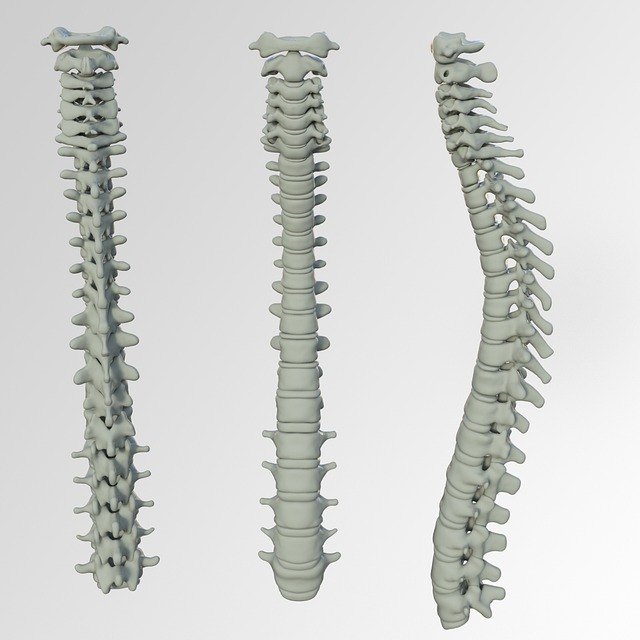
In the aftermath of a motor vehicle accident, one of the critical areas to assess is the spinal alignment, particularly focusing on the upper cervical region. The upper cervicals, or the top three vertebral segments in the neck, play a pivotal role in supporting the head and facilitating its movement. A proper upper cervical alignment is essential for maintaining optimal nerve function, blood flow, and overall well-being. Unfortunately, many victims of collisions often experience misalignments due to sudden impacts, leading to various physical discomforts and potential long-term issues if left untreated.
Post-collision, it’s not uncommon for individuals to report symptoms such as neck pain, stiffness, headaches, and even shoulder or arm numbness. These symptoms can be indicative of upper cervical misalignment caused by the force exerted during the accident. For instance, a study published in the Journal of Whiplash and Spinal Disorders examined the prevalence of spinal misalignments in patients involved in rear-end collisions, revealing that over 70% of participants exhibited significant abnormalities in their neck alignment, with many showing signs of upper cervical subluxation.
Addressing upper cervical alignment naturally post-collision involves a multifaceted approach. Chiropractors and physical therapists are often instrumental in this process, employing techniques such as manual adjustments, therapeutic exercises, and specialized treatments to correct misalignments. Early intervention is key to preventing chronic issues from developing. Patients can also benefit from adopting ergonomic practices, like maintaining good posture while sitting or driving, using supportive pillows for optimal neck positioning during rest, and engaging in regular stretching and strengthening exercises tailored to the cervical region.
Evaluating Spinal Misalignments in Motor Vehicle Accidents

Motor vehicle accidents (MVAs) are a leading cause of spinal misalignments, often resulting in significant physical and economic burdens. Evaluating spinal alignment post-collision is crucial for accurate diagnosis and effective treatment planning. Studies estimate that up to 70% of individuals involved in MVAs experience some form of neck or back pain, highlighting the importance of assessing spinal misalignments promptly.
Spinal misalignments in the context of MVAs can manifest as whiplash, a common injury characterized by both acute and long-term effects. The impact forces generated during a collision can cause the cervical spine (neck) to hyperextend or hyperflex, leading to instability and damage to soft tissues, joints, and nerves. Advanced imaging techniques like X-rays, MRIs, and CT scans play a pivotal role in detecting these misalignments accurately. For instance, an X-ray might reveal a slight shift in the vertebrae, while an MRI could highlight ligament sprains or herniated discs.
Practical insights for healthcare professionals include incorporating dynamic spinal assessments into the initial evaluation process. These assessments allow for a more comprehensive understanding of the patient’s range of motion and pain responses, aiding in identifying specific misalignments. Additionally, educating patients on postural awareness and providing guidance on manual therapy or chiropractic adjustments can be beneficial. Early intervention and evidence-based treatment protocols are essential to mitigate long-term spinal complications associated with MVAs, ensuring faster recovery and improved patient outcomes.
Restoring Natural Spinal Alignment After a Crash

After a motor vehicle accident, restoring natural spinal alignment is a critical step in the healing process. The upper cervical spine, located in the neck, is particularly vulnerable to misalignment during collisions due to the force involved. This sensitivity makes it imperative to address any abnormalities promptly. A return to optimal spinal alignment can significantly impact overall health and well-being post-accident.
Chiropractors and physical therapists play pivotal roles in facilitating this recovery. They employ specialized techniques like chiropractic adjustments, manual therapy, and exercise programs tailored to realign the spine naturally. For instance, a study published in the Journal of Manual Medicine found that chiropractic care improved spinal alignment and reduced pain in patients post-auto accidents. These professionals work collaboratively with individuals to not only address immediate symptoms but also provide long-term solutions for sustained healing.
Practical advice for restoring natural spinal alignment after a crash includes maintaining regular sessions with healthcare providers, engaging in gentle exercises focused on the neck and upper back, and adopting good posture while sitting and standing. Additionally, using supportive accessories like pillows or ergonomic equipment can aid in maintaining proper cervical curvature. Remember, every individual’s recovery journey is unique; thus, consistent communication with healthcare experts is essential to ensure personalized care that addresses specific needs.
Understanding upper cervical alignment post-collision is paramount in addressing spinal misalignments often caused by motor vehicle accidents. By evaluating and restoring natural spinal alignment after a crash, healthcare professionals can significantly impact patient recovery. This article has underscored the importance of prompt intervention to mitigate long-term complications. Key insights include recognizing specific misalignments, employing advanced diagnostic tools, and utilizing gentle, evidence-based techniques to restore cervical spine integrity. The practical next steps for healthcare providers involve integrating these principles into collision injury management protocols, ensuring safer, more effective care for individuals affected by motor vehicle accidents.